


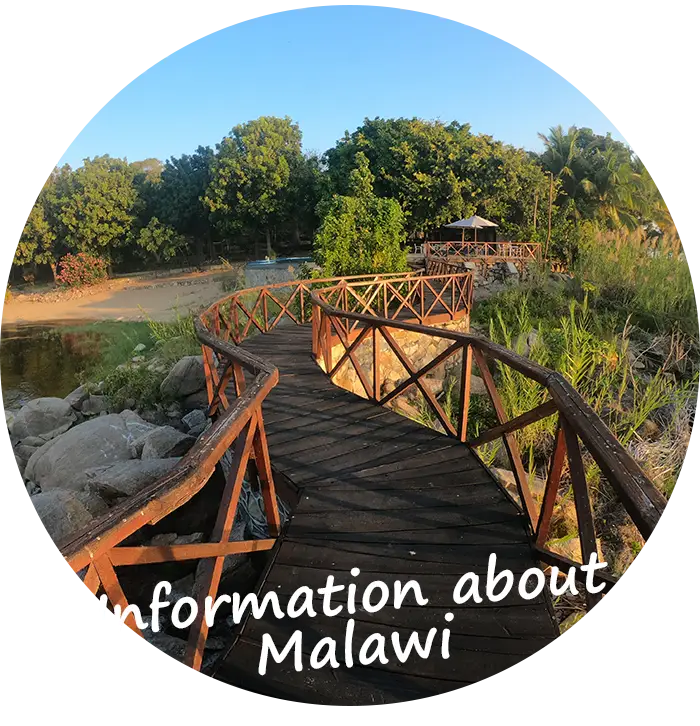
INFORMATION ABOUT MALAWI
Discover everything you need to know before your trip to Malawi. Explore practical information on the country’s geography, history, population, economy, language, and political landscape. This comprehensive guide ensures you are well-prepared for a seamless and enjoyable journey.
Explore Malawi: What you need to know about Malawi
Malawi is known as the warm heart of Africa, and with good reason. Amazing landscapes and the friendliest people on the continent. Wildlife safaris in combination with relaxation at Lake Malawi ensure a safari like no other. Watersports, wildlife, and relaxation. And with a consistent democracy since its independence in 1964, it is, besides being absolutely beautiful, a safe and politically stable country.
Geography
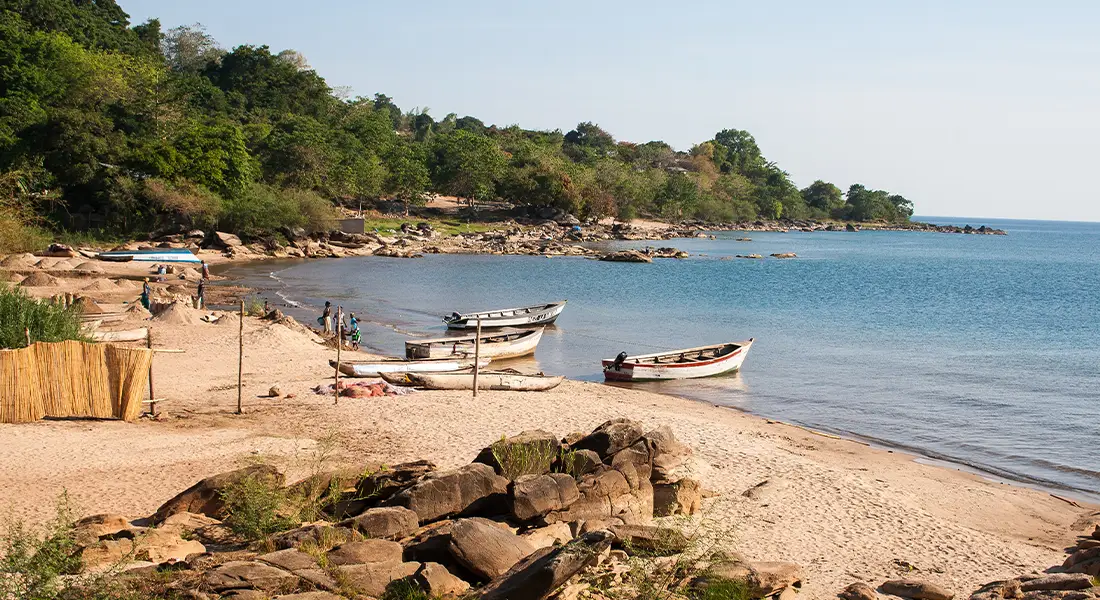
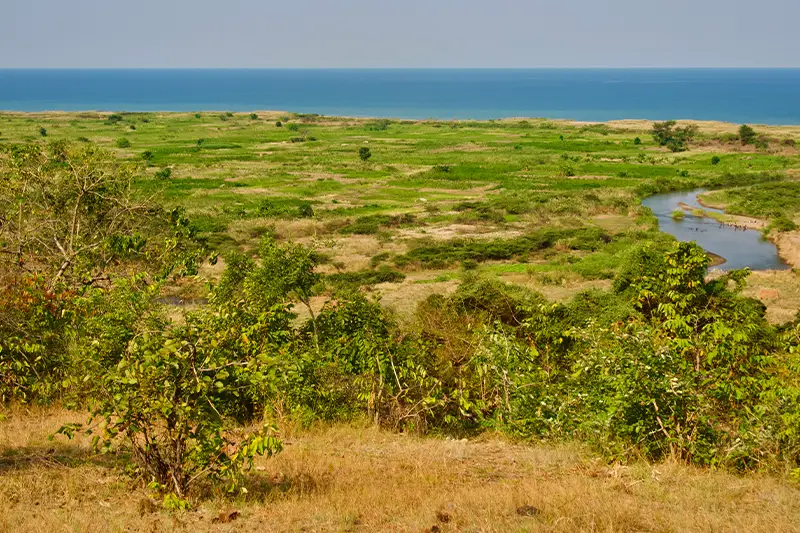
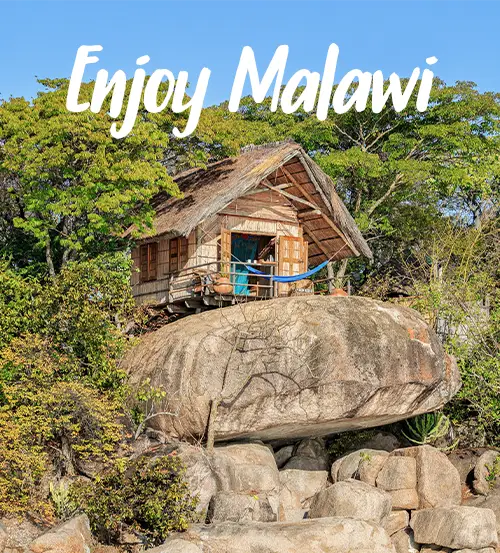
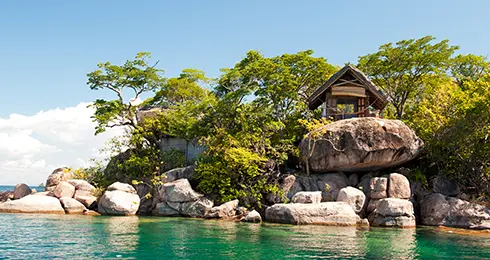
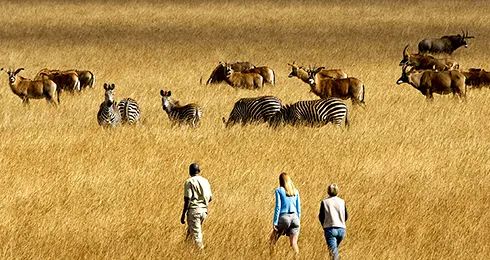
No country in Africa has its geography so sculpted and determined by Africa’s Great Rift Valley as Malawi. Exquisite lakeside beaches run along the western shores of the 600km Lake Malawi, there are plateaus filled with roaming herds of zebra and antelope and unspoilt highland regions.
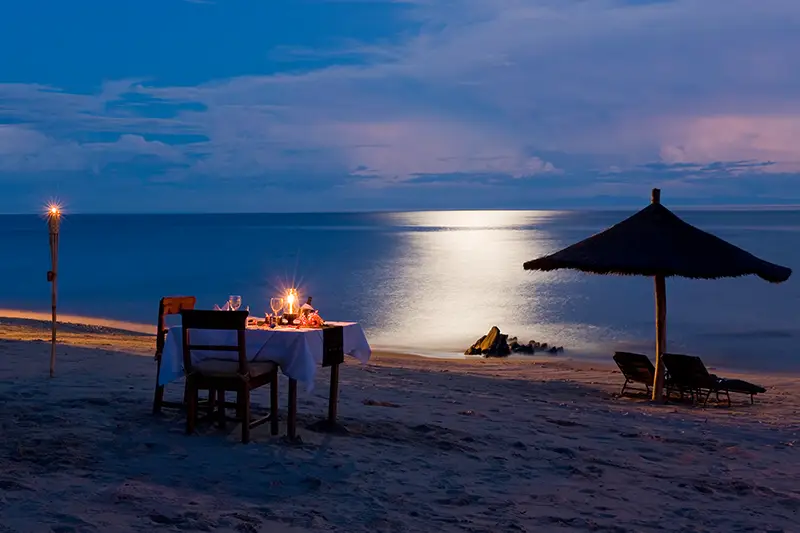
Malawi is best known as Africa’s finest landlocked beach destination, which with lovely unspoiled islands, beautiful freshwater beaches and a vibrant and spectacular array of tropical freshwater fish, is ideal for snorkeling, diving, and fishing.
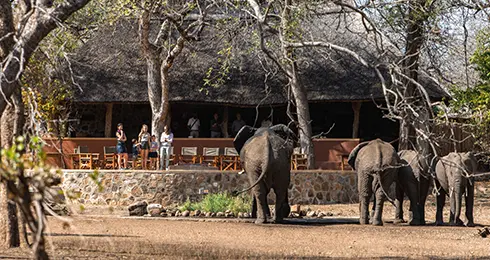
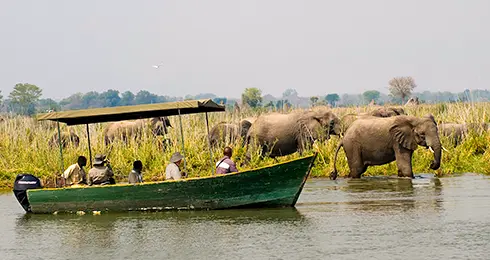
However, it also has 11 national parks that protect a range of different habitats and offer an unexpected wealth of general game-viewing safaris, mountain hikes and climbs and some unique opportunities to explore on horse-back. For many visitors it is the warm and friendly Malawian people and rich cultural history that make each visit unforgettable.
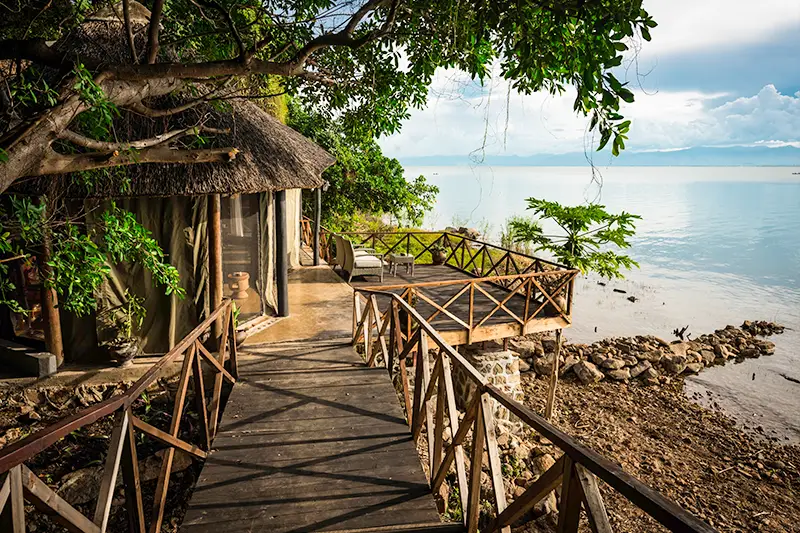
Explore Malawi offers tailor-made safaris and self-drive tours to Malawi, the warm heart of Africa.
Itineraries
History
The Maravi Empire.
In the 15th century people who lived south of Lake Nyasa began to build an empire called ´Maravi´, which included eventually parts of Zimbabwe and Mozambique before it broke up. In the 16th century the Portuguese reached the Maravi Empire and brought maize to this part of Africa. In the end of the 18th century people from northern Mozambique called ´Yao´ raided Malawi and took captives to be sold to the Arabs as slaves, until in the 1840s the Ngoni invaded the area, which frequently fought the Yao.
In 1859 David Livingstone the Scottish explorer and missionary reached Lake Nyasa. Scottish missionaries started building missions in the area and British merchants began to sell goods in the region. Gradually the British took control of Malawi and in 1891 most of Malawi was formed into the British Central African Protectorate. The British ended the slave trade and created coffee plantations. In 1907 the British named Malawi Nyasaland and was given a legislative council.
When the First World War began Germans from Tanzania invaded Nyasaland (Malawi) but they were repelled. During World War II almost 30,000 Malawians served in the armed forces. As the Africans were increasingly educated, they became more and more dissatisfied with being ruled by Europeans. There were many protests against the British rule and as a result a state of emergency was declared.
Independence
Malawi finally became independent on 6 July 1964 and in 1966 Malawi was made a republic. The British Queen was no longer head of state and Banda became president, who later made himself president of Malawi for life. Soon Banda’s rule became a dictatorship, and all dissent was ruthlessly crushed. Finally, in 1993 Banda was forced to hold a referendum and the great majority voted for democracy. Democratic elections were held on 17 May 1993 and Bakili Muluzi became the new president. In 2004 Bingu wa Mutharika was elected President of Malawi and he began an anti-corruption drive. In 2012 Joyce Banda became the first woman president of Malawi.
Population - Language - Time
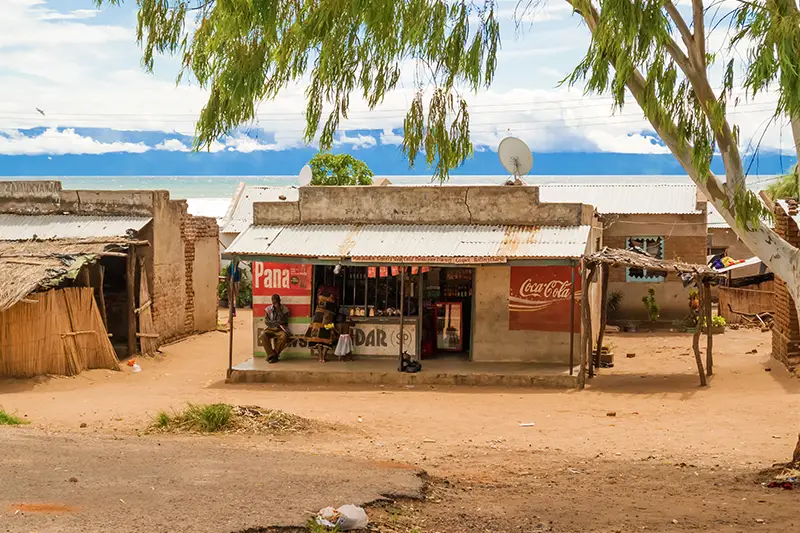
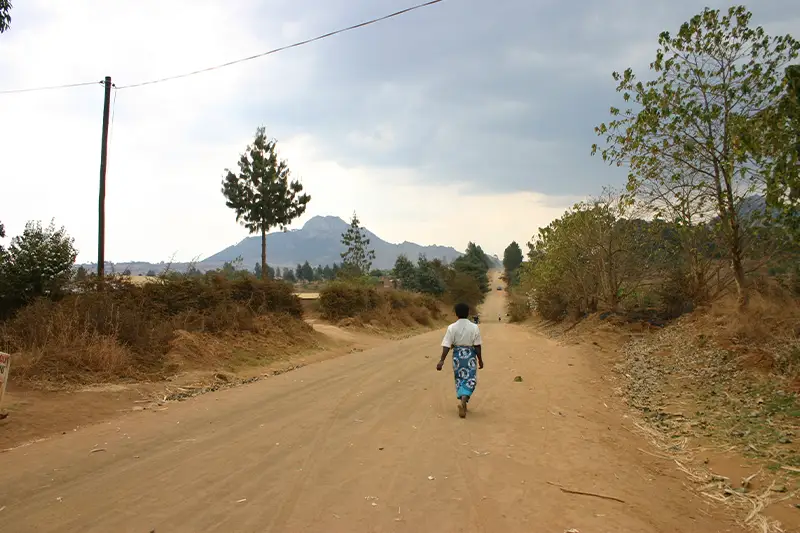
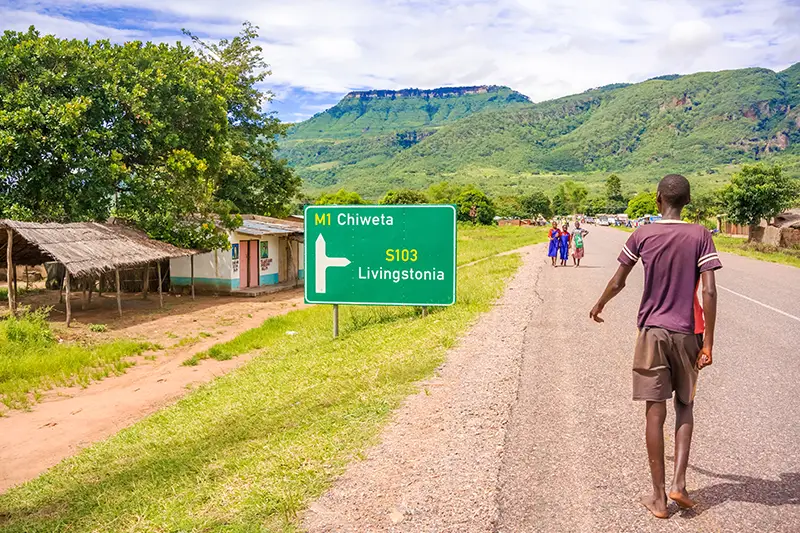
Malawians reside in rural locations.
Currently, Malawi has a population of around 19 million (2020) of which around 75% carries a Christian religion. Most Malawians reside in rural locations. The country’s few large urban centers include the capital Lilongwe and Blantyre, the seat of the country’s judiciary.
Most of Malawi’s population engages in cash-crop and subsistence agriculture. The country’s exports consist of the produce of both small landholdings and large tea and tobacco estates. Malawi has received a significant amount of foreign capital in the form of development aid, which has contributed greatly toward the exploitation of its natural resources and has allowed Malawi to at times produce a food surplus. Nevertheless, its population has suffered from chronic malnutrition, high rates of infant mortality, and grinding poverty.
Language
English is the official language, but the national language is Chichewa. However, each tribe speaks a different language, such as Chewa, Yao, Tonga, Sena, and Elomwe.
Time
Malawi observes Central Africa Time (CAT) all year. Daylight Saving Time is currently not applicable.
Flora and Fauna
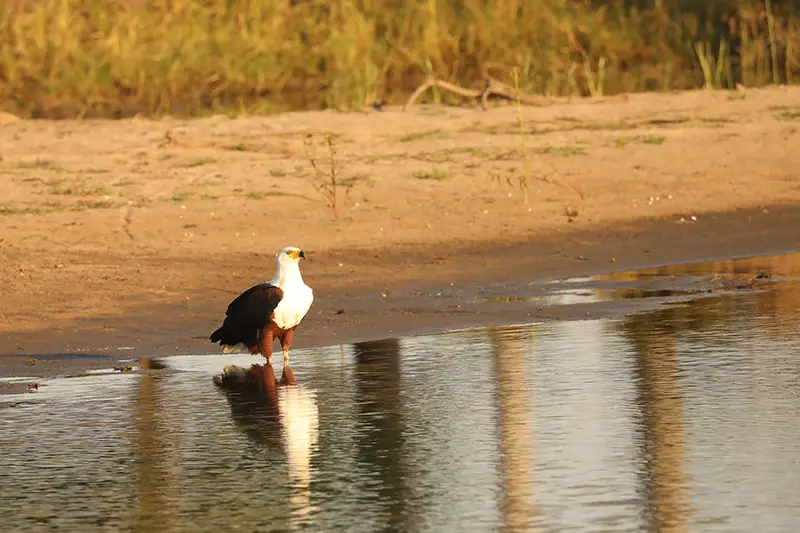
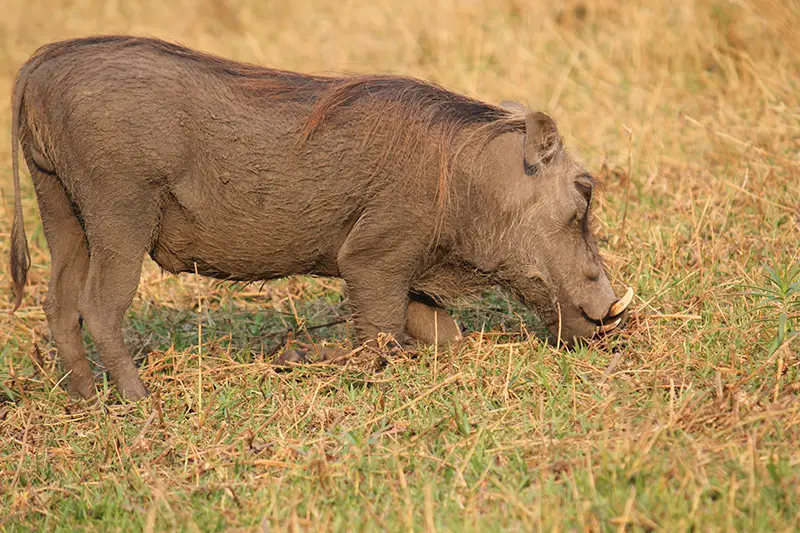
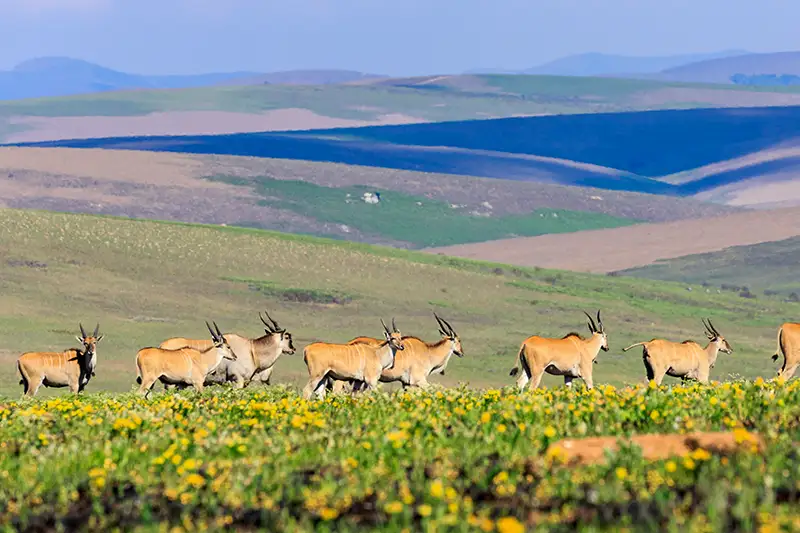
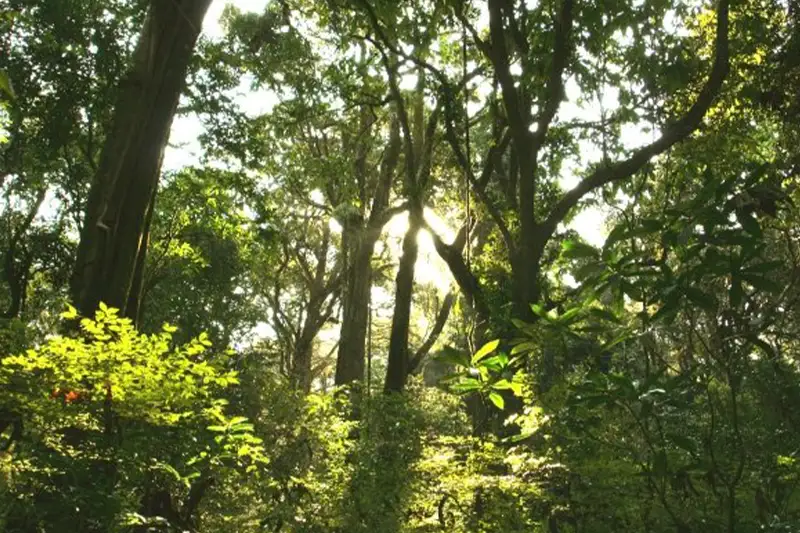
Country’s diversity in relief, soils, and climate.
The natural vegetation pattern reflects the country’s diversity in relief, soils, and climate. Savanna occurs in the dry lowland areas. Miombo woodlands sparse, open deciduous woodland characteristic of dry parts of eastern Africa are an important habitat, particularly for the country’s large mammal populations. Woodlands with species of acacia trees cover isolated, more fertile plateau sites and river margins.
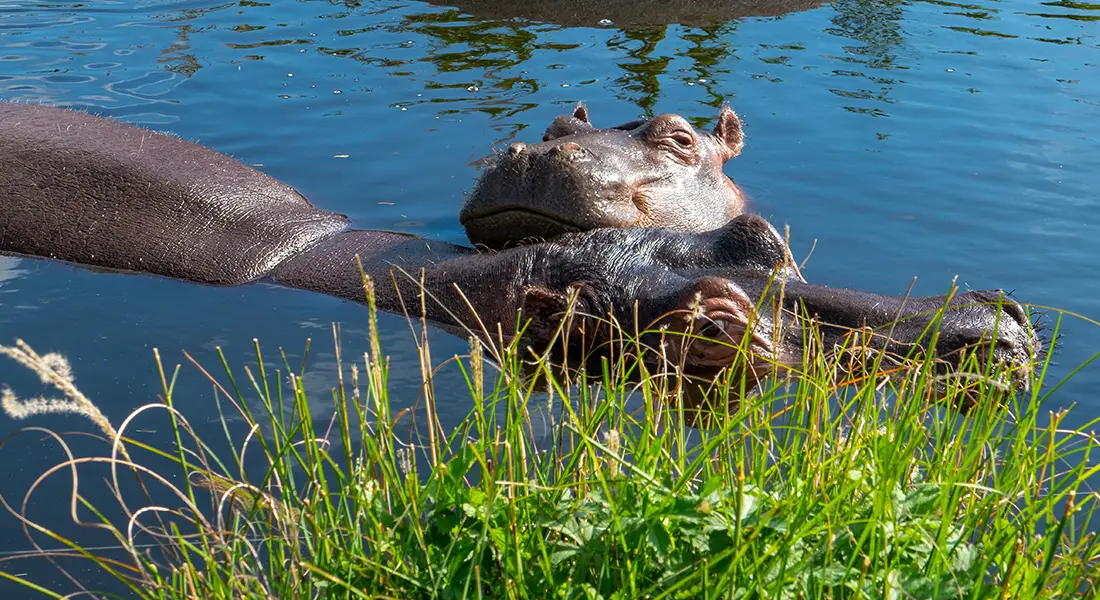
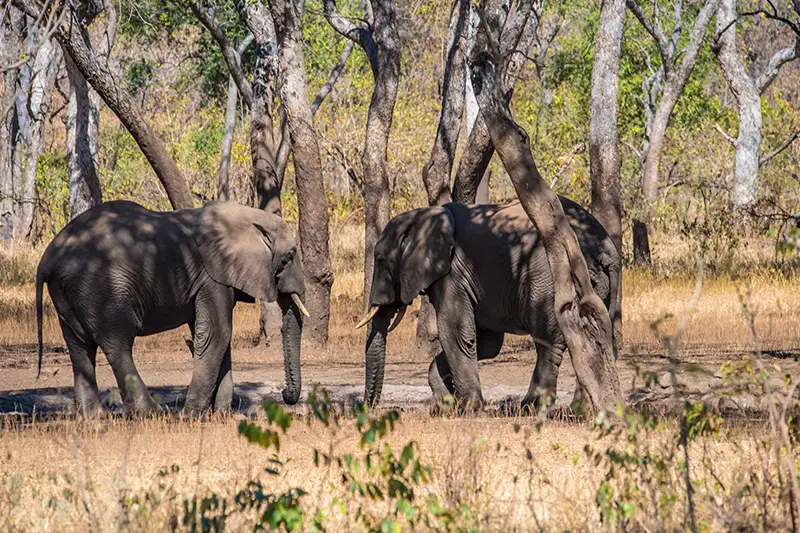
Game animals abound only in the game reserves, where antelope, buffalo, elephants, leopards, lions, rhinoceroses, and zebras occur; hippopotamuses live in Lake Malawi. The lakes and rivers of Malawi contain hundreds of species and numerous families of fish. Lake Malawi is particularly renowned for its remarkable biodiversity, an enormous range of fish species inhabit the lake.
Economy
The Malawi economy is agriculture.
The backbone of the Malawi economy is agriculture, which in the 2000s employed more than 80% of the working population and accounted for about one-third of the gross domestic product (GDP) and the vast majority of export earnings. Tobacco, the most important export crop, accounts for a major portion of the country’s trade income; tea, sugar, and cotton—all mostly grown in the estate sector—are also important.
Since the mid-1960s the government has sought to strengthen the agricultural sector by encouraging integrated land use, higher crop yields, and irrigation schemes. In pursuit of these goals, several large-scale integrated rural-development programs, covering one-fifth of the country’s land area, have been put into operation.
These projects include extension services; credit and marketing facilities; physical infrastructure such as roads, buildings, and water supplies; health centers; afforestation units; and crop storage and protection facilities. Outside the main program areas, advisory services and educational programs are available.
However, these schemes have brought little benefit to the smallholders, real growth instead being largely concentrated within the estate sector, which has been favored by the government. Many smallholders have remained poor and indebted, and smallholder production has generally not increased enough to meet the demands of the rapidly growing population.
Mobile connection
SIM cards & mobile operators.
The international code for Malawi if you are dialing from abroad is +265. Telephone calls within Malawi are inexpensive and the network between main cities is reliable.
Cheap local SIM cards work in foreign phones on roaming and, especially on the Airtel network, are good for calls and data usage. SIMs and credit are widely available.
Electricity
Standard voltage is 220/230V.
In Malawi the standard voltage is 220/230V and the standard frequency is 50 Hz. The power plugs and sockets are of type G. A European multi-plug adapter comes in handy if you want to charge more than one device at the same time. Although power failures are unusual, a flashlight or headlamp is very useful at night.
Newsletter
Sign up. Be Inspired.
Receive exclusive holiday deals,
travel inspiration, and the latest tips
for exploring Malawi. Straight to your inbox.
Newsletter
Sign up. Be Inspired.
Receive exclusive holiday deals,
travel inspiration, and the latest tips
for exploring Malawi. Straight to your inbox.
travel inspiration, and the latest tips
for exploring Malawi. Straight to your inbox.
Malawi Travel Advice
Need help planning your private safari or self-drive trip to Malawi? Our experienced tour consultants in Europe and Africa can create a fully customized itinerary based on your wishes, preferences, and budget. We’re here to answer your questions and make your dream trip to Malawi come true.
Malawi Travel Advice
Need help planning your private safari or self-drive trip to Malawi? Our experienced tour consultants in Europe and Africa can create a fully customized itinerary based on your wishes, preferences, and budget. We’re here to answer your questions and make your dream trip to Malawi come true.
Essential travel information about Malawi
Malawi Private & Self-Drive Tours
Each itinerary we offer is fully customizable to suit your preferences. You can book this itinerary as is, or use it as inspiration to create your own personalized safari adventure in Malawi. Below, you’ll find more sample itineraries we’ve crafted for inspiration. At Explore Malawi, we are committed to ensuring you experience the holiday of your dreams!

Self-Drive Itinerary
Highlights Malawi
Discover “the warm heart of Africa” with a self-drive journey through Malawi's most beautiful game parks and the turquoise waters of Lake Malawi.
Length: 15 Days (customizable)
Price from: $ 1.773,- USD
Self-Drive Itinerary
Combi Malawi & Zambia
Visit two countries in one trip and experience a self drive adventure along green tea fields, Lake Malawi and fascinating national parks.
Length: 21 Days (customizable)
Price from: $ 1.992,- USD

Private Safari
Malawi Highlights
Private guided safari to Malawi's most beautiful game parks and crystal clear Lake Malawi.
Length: 15 Days (customizable)
Price from: $ 5.808,- USD
Private Guided Add-on
South Luangwa NP
Add-on South Luangwa NP in Zambia. Combine a trip through Malawi with a visit to one of the most beautiful wildlife parks in Zambia with 3 nights at South Luangwa NP.
Length: 5 Days (customizable)
Price from: $ 2.726,- USD
Start Planning your Malawi adventure today
